A day of holding it together
You manage the sensory load all day and have nothing left by the time you get home.
 Call 1300 243 348
Request a callback
Call 1300 243 348
Request a callback
When noise, light, textures or busy places are harder to manage, occupational therapy can look at what helps and what to change. Delivered by video, with suitability checked first.
Asking doesn't commit you to anything.
Request a callback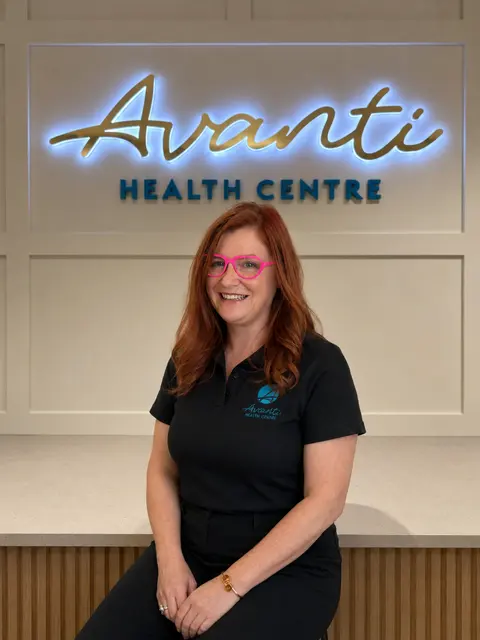
Can we grab your name and email?
You can call for yourself, or as a family member, support worker or support coordinator.
An OT looks at when, where and with whom overload happens before suggesting changes.
You manage the sensory load all day and have nothing left by the time you get home.
A workplace, shop, class or social setting is hard to be in, so you plan around it or skip it.
Small irritations build across the day until a sound, light or texture tips you over.
Joanne works with adults on the practical side of sensory difficulties: the settings that are hard, the routines around them, and the changes worth trying.
Occupational Therapist
Joanne provides trauma-informed and neuro-affirming OT by telehealth when the goals and activities suit online delivery.
A first session often starts with one setting that is hard: what happens before you get there, what you notice in the room, and what you already do to cope. From there you can agree something to test.
A phone, tablet or computer with a camera, a stable internet connection, and somewhere private where you can talk without being overheard.
You work through the problem on screen together, using your own home, desk or routine as the example.
A partner, family member, support worker or support coordinator can join if it helps, especially for the first session.
You do not need equipment or a formal assessment to start. Describing a hard situation is enough.
Look at when, where and with whom overload happens, rather than treating it as random.
Adjust the environment, the timing or how a task is done before assuming the answer is more effort.
Build in recovery and exits so a difficult day does not take out the rest of the week.
The aim is to reduce how often overload happens and recover faster, not to promise it never happens again.
These are the areas most often worked on by video. If something needs to be seen in person, the team says so.
This is for adults who want practical changes to daily life, not a label or a diagnosis.
Telehealth is not the answer for every request. The team redirects you rather than sell you the wrong format.
Keep it simple. The call is a routing conversation, not an assessment.
No. Diagnosis and standardised sensory testing are not part of this service. The focus is practical strategies for your daily environments.
This page describes practical sensory support and does not promise a particular test. If you need a specific assessment or report, tell the team so they can confirm the appropriate service and delivery format before booking.
No, and we will not promise that. The aim is to reduce how often it happens, recover faster and protect the things that matter to you.
No. People come to this for many reasons, including autism, ADHD, anxiety and no diagnosis at all.
The team confirms fit and funding first. Early sessions often start with one real part of your week, and what you work on is agreed with you rather than set in advance.
Often, when the goals are routines, everyday tasks and strategy work that does not need to be observed in person. The team confirms whether online delivery fits before anything is booked.
If the work needs to be seen in person, the team says so and talks through what else may fit.
Funding options depend on the person and the service. Tell the team what funding you have and they check what applies, then explain any fees before anything is booked.
Tell the team which setting is hardest and how you are funded. They check fit, fees and timing, then explain the next step.
Online occupational therapy for adult sensory difficulties and the routines around them. The team confirms suitability before anything is booked.
Can we grab your name and email?