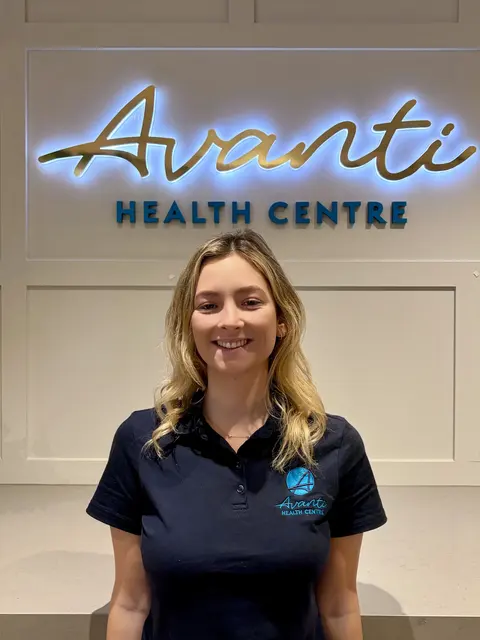
Kayla
Occupational Therapist
More about Kayla
Kayla supports adults with practical telehealth OT for safety, independence and participation when online delivery is suitable.
 Enquire now
Leave your details and the team will contact you about the right next step.
Telehealth Occupational Therapy is most useful when the work is assessment, report writing or ongoing therapy that does not depend on measuring the home environment or trialling equipment in person.
Asking doesn't commit you to anything.
Enquire now
Clinicians
Occupational Therapist
Kayla supports adults with practical telehealth OT for safety, independence and participation when online delivery is suitable.
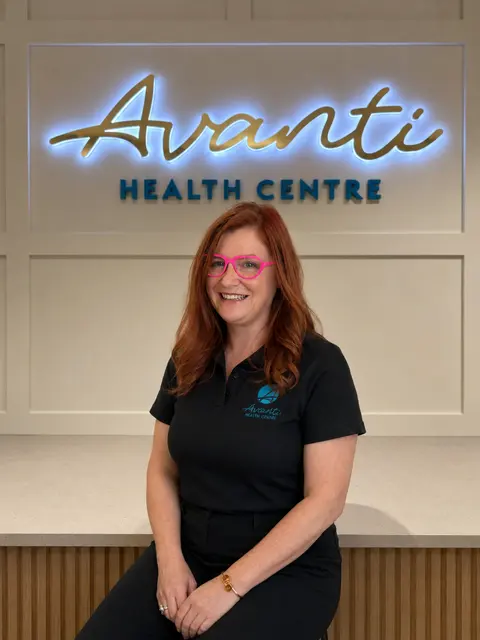
Occupational Therapist
Joanne provides trauma-informed and neuro-affirming OT by telehealth when the goals and activities suit online delivery.
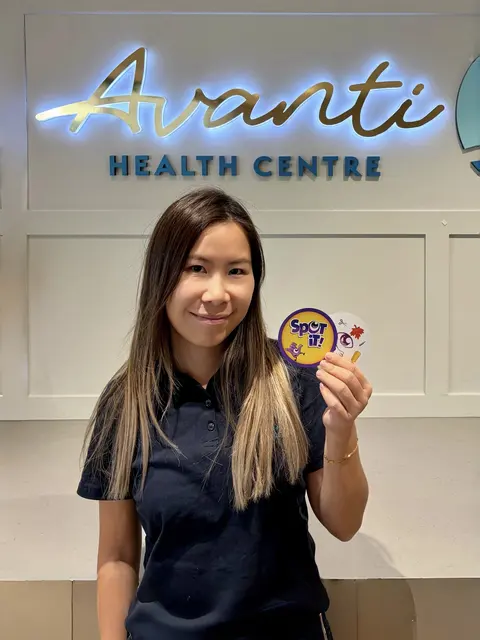
Occupational Therapist
Lin supports children, young adults, neurodivergent clients and older adults by telehealth when online delivery is suitable.
Who this is for
We confirm whether it is the right service, which funding may apply, where sessions can happen, and what to do next.
Telehealth suitability
our adult OT guidance is deliberately practical: telehealth can be a strong option for assessments, reports and some ongoing therapy, but it should not be used to shortcut work that needs the clinician in the home or with equipment in front of them.
Often suitable online
Functional Capacity Assessments, report writing, plan-review documentation and ongoing therapy can often be considered for telehealth when the referral context, documents and goals fit.
Usually better face to face
Home modifications and equipment prescription usually need face-to-face assessment where possible so the environment can be measured, safety checked and equipment trialled properly.
Send the enquiry with the referral context and we will confirm whether telehealth is suitable before any appointment is discussed.
What to send first
Include whether this is for an FCA, report or ongoing therapy, plus funding details, location, current reports and whether face-to-face may be needed.
Next steps
Questions
They should usually be directed to face-to-face assessment where possible. The clinician needs to measure the environment, check safety and understand the physical setup before recommendations are made.
Equipment prescription often needs face-to-face input where possible so equipment can be trialled and fitted safely. We can use the enquiry to confirm the right setting first.
Functional Capacity Assessments, report writing and ongoing therapy can often be considered for telehealth when the referral context fits.
Home modifications and equipment prescription usually need a face-to-face assessment where possible so the clinician can measure the environment, check safety and trial equipment.
Yes. Include the participant goals, plan management type, current reports, location and whether the request is for an assessment, report, therapy, equipment or home modification advice.
Start with an enquiry. We will confirm the service, location, funding option, and whether an appointment is the right next step.
Many people use NDIS, a Medicare referral, DVA, WorkCover, aged-care funding or private funds. Which applies depends on your situation and the service. Tell us what you have and we'll confirm it with you.
Fees depend on the service and your funding pathway. Tell us your funding type and we'll explain the costs before anything is booked.
Next step
Include whether this is for an FCA, report or ongoing therapy, plus funding details, location, current reports and whether face-to-face may be needed.
Share the assessment, report or therapy need and we check whether telehealth is clinically suitable.
Leave your details and the team will contact you about the right next step.
This site is protected by reCAPTCHA and the Google Privacy Policy and Terms of Service apply.